
March 18, 2026 · Mold Removal Albany
How Much Does Mold Removal Cost in Albany, NY?
Mold removal in the Albany area typically runs $500 to $5,000, but the range is wide. Here is what actually drives the price, and how to avoid overpaying.
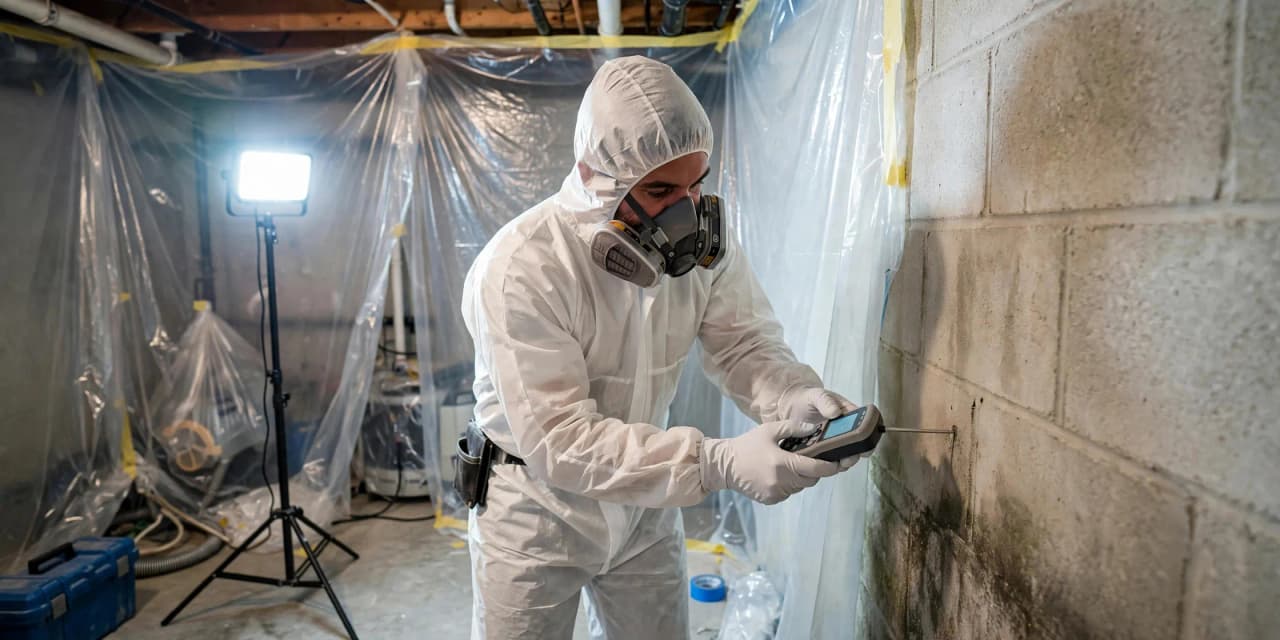
If you are reading this, you probably found something fuzzy in your basement, or your home inspector flagged a suspicious patch, and now you want the number. Fair enough. Here is the honest version most companies will not put on their website.
In the Albany area, professional mold remediation typically runs between $500 and $5,000 for most residential jobs. Small contained cleanups land at the low end. Whole basements, attics, or jobs with structural damage climb higher. Anyone who quotes you a firm price over the phone without seeing the job is guessing, and you should treat that guess accordingly.
Realistic Price Ranges for Capital Region Homes
Let us start with the numbers people actually pay around here. A small, contained job, think a bathroom wall section or a closet patch where the moisture source is obvious and fixed, usually lands between $500 and $1,500. The crew sets up containment, removes the affected drywall, cleans the framing, and treats the area. In and out, often in a single day.
Mid-size jobs are where most Albany homeowners land. A larger basement section, a couple of rooms, or mold that spread behind finished walls typically runs $1,500 to $3,500. This is the range where containment gets more serious, more material comes out, and the crew spends real time on HEPA cleaning and treating surfaces. Most pros we know say this bracket covers the bulk of their residential work.
Large jobs start around $3,500 and can climb past $10,000 when you are dealing with a whole basement, an attic with widespread sheathing growth, or mold tied to long-term water damage that ate into structural wood. HVAC contamination pushes costs up too, because duct cleaning and system treatment is its own specialty. These are the jobs where the written scope matters most, which we will get to.
What Actually Moves the Price Up or Down
Square footage of the affected area is the obvious one, but it is not the whole story. Accessibility matters just as much. Mold in an open basement wall is straightforward. The same square footage in a crawl space under a 1920s colonial in Delmar, where a technician is working on their belly with a headlamp, costs more. Attic work in August costs more too, for reasons anyone who has been in an attic in August understands.
Materials make a big difference. Non-porous surfaces like concrete, metal, and glass can usually be cleaned. Porous stuff like drywall, insulation, and ceiling tiles usually has to go. A job that is mostly cleaning is cheaper than a job that is mostly demolition and disposal, even if the mold footprint looks similar from the outside.
Then there is the water source, which is technically a separate repair but practically part of your total bill. Remediation without fixing the leak is like mopping while the faucet runs. Whether it is a failed sump pump, a grading problem pushing Hudson Valley rain toward your foundation, or a slow plumbing drip, budget for that fix alongside the mold work.
Inspection and Testing: Budget for These Too
Before anyone swings a hammer, someone needs to figure out what you are dealing with. Many licensed pros in the Capital Region offer free visual estimates, which is great for straightforward jobs. A full written inspection with moisture mapping and a detailed scope usually runs $200 to $400, and it is worth every penny on anything beyond a small patch.
Lab testing is the optional add-on people argue about. Air or surface samples sent to a lab typically cost $300 to $600 for a basic set. Testing makes sense when you need documentation for an insurance claim, a real estate transaction, or a landlord dispute. For a visible patch with an obvious moisture source, most honest pros will tell you testing is overkill.
One New York-specific wrinkle: state law (Article 32, which we explain in plain English elsewhere on this blog) requires the mold assessor and the mold remediator to be independent of each other on the same project. So the company that inspects and writes the remediation plan cannot be the company that does the cleanup. That is consumer protection working as intended, and it means you will deal with two licensed parties on bigger jobs.
The Costs Nobody Warns You About
Here is where budgets go sideways. The remediation quote usually covers containment, removal, cleaning, treatment, and disposal. It often does not cover putting your house back together. Drywall replacement, painting, new flooring, and trim work are rebuild costs, and they can rival the remediation itself. Always ask whether the quote includes rebuild or stops at a clean, open cavity.
The water source repair is the other classic surprise. A plumber fixing the actual leak, a roofer addressing the flashing failure, or a basement waterproofing contractor regrading around your foundation, none of that is mold remediation, and all of it lands on your invoice. Get those numbers early so the total does not ambush you.
And then there is the "while the walls are open" temptation. It is genuinely smart to upgrade insulation or run a new electrical line when drywall is already removed. Just know it is optional, and do not let a contractor blur the line between necessary remediation and nice-to-have upgrades without your explicit okay.
Red Flags in a Suspiciously Cheap Quote
We are all for a good deal, but mold remediation has a floor, and quotes below it should make you nervous. In New York, mold contractors must be licensed by the Department of Labor. No license number on the quote or website? That is not a bargain, that is a gamble. Unlicensed work also torpedoes insurance claims and real estate disclosures.
Watch for the bleach-and-paint special. Anyone promising to kill mold with bleach and seal it with paint is selling you a cover-up, not a cleanup. Bleach does not reliably kill mold roots in porous materials, and paint over active growth is just mold with a fresh coat. Real remediation removes contaminated porous material and cleans what can be saved.
Other warning signs: no mention of containment or negative air pressure, cash-only payment with no written contract, and high-pressure tactics about toxic mold emergencies that require a decision today. A legitimate pro explains the scope, puts it in writing, and lets you get a second quote. Mold is rarely a today-or-never emergency, despite what scare tactics suggest.
How to Get Quotes You Can Actually Compare
The secret to comparing quotes is making sure everyone is pricing the same job. Give each contractor the same information: where the mold is, how you found it, and whether the moisture source is fixed. Better yet, get a written inspection first and hand every bidder the same scope. Apples to apples, or the numbers are meaningless.
Ask for line items. A real quote breaks out containment setup, removal and disposal, HEPA cleaning, antimicrobial treatment, and any clearance testing. If one quote is dramatically lower, the line items usually reveal why. Maybe they skipped containment. Maybe disposal is on you. Maybe rebuild was never included.
Get two or three quotes, and do not automatically take the cheapest. In this business, the middle quote from the contractor who explained things clearly and answered your questions without rushing you is very often the right choice. Price matters, but so does the feeling that this crew will actually show up and do what the paper says.
What This Costs Through Mold Removal Albany
Quick note on how we fit in, since pricing questions always lead here. Mold Removal Albany is a free referral service connecting you with independent, licensed local pros. You do not pay us anything. The pros in our network provide free on-site estimates, and there is no obligation to hire anyone we connect you with.
What that means for your wallet: you get matched with contractors who actually serve your part of the Capital Region, you get real numbers based on someone standing in your basement with a moisture meter, and you can compare without pressure. If the numbers do not work, you walk away and you have still learned exactly what your job involves. That alone is worth the call.