
February 11, 2026 · Mold Removal Albany
Black Mold vs Mildew: What Is the Actual Difference?
Everyone panics about black mold, but most of it is misidentified. Here is what black mold and mildew actually are, why the color tells you nothing, and what to do about each.
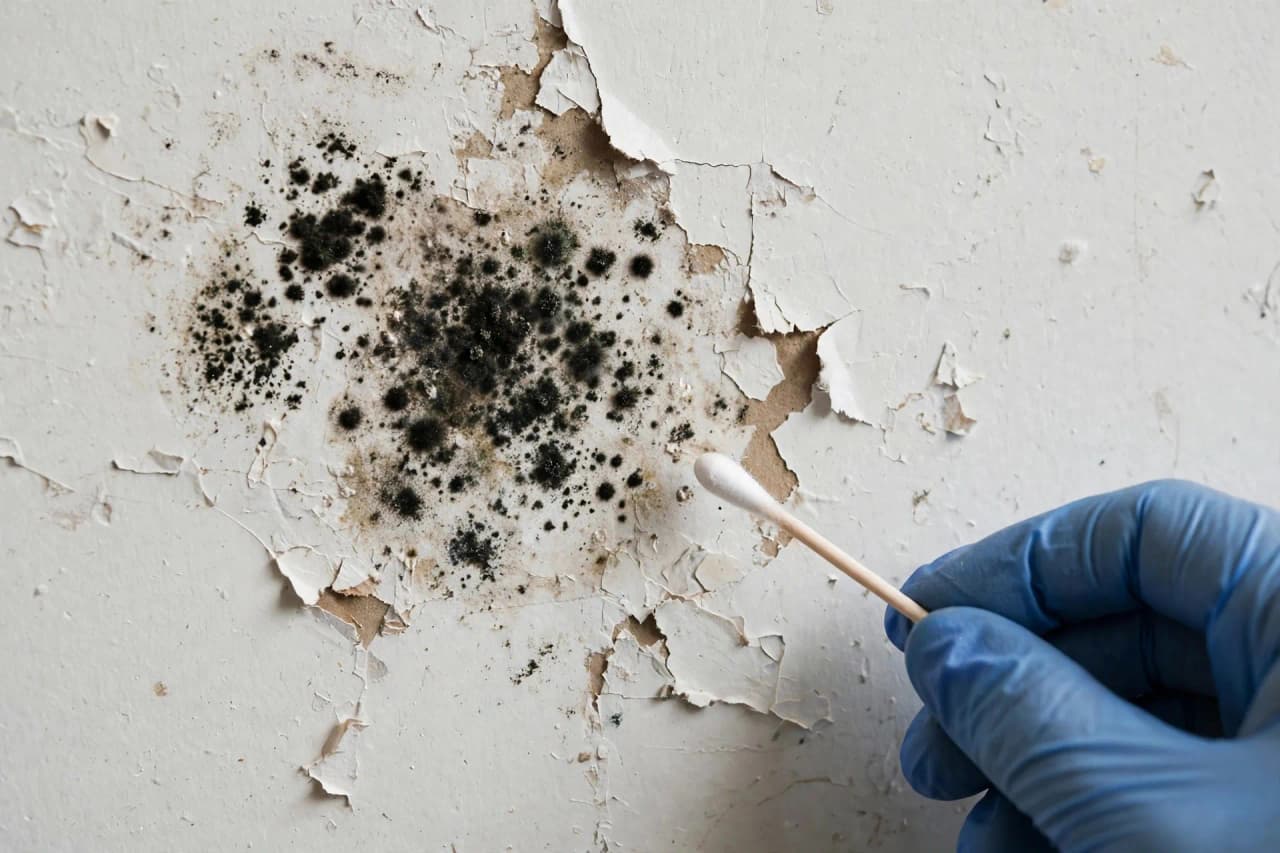
Mention the words "black mold" at a dinner party and watch the room go quiet. It has a reputation somewhere between a horror movie villain and a hazmat incident. Meanwhile mildew gets treated like a minor bathroom annoyance you scrub away on a Saturday. The truth is messier, and honestly more interesting, than either reputation suggests.
Here is what most Albany homeowners need to know: the color of the growth tells you almost nothing about what it is, mildew is technically a type of mold, and the cleanup approach depends far more on where it is growing and how much there is than on what color it happens to be. Let us untangle this properly.
First, the Names Are Messier Than You Think
Here is a secret the internet rarely mentions: "black mold" is not a scientific term. It is a colloquial label people slap on any dark-colored mold growth. The species everyone is actually worried about is Stachybotrys chartarum, a dark greenish-black mold that produces mycotoxins and gets all the scary headlines.
Mildew, meanwhile, is a loose term for flat, powdery surface growth, usually white, gray, or light brown, that shows up on damp surfaces like shower grout, windowsills, and fabrics. Here is the kicker though: mildew is mold. It is just mold growing in a thin, surface-level way rather than a thick, fuzzy colony. The distinction is about growth habit, not some fundamental biological divide.
So when someone asks "is it black mold or mildew," they are usually really asking "should I panic or just scrub it." Fair question. Let us answer it properly.
What Mildew Actually Is
Mildew is the stuff of damp bathrooms and musty basements. It grows flat against surfaces, often in a powdery or downy layer, and it loves anywhere with poor ventilation and recurring moisture. Shower tile grout, the caulk around your tub, basement storage boxes, that is mildew territory.
The good news: because it grows on the surface rather than rooting deep into materials, mildew is usually the easiest mold problem to handle. On hard, non-porous surfaces like tile and glass, scrubbing with detergent and water genuinely works. Improved ventilation, like actually running the bathroom fan, often prevents it from coming back.
The bad news: people assume everything flat and light-colored is "just mildew" and therefore harmless. Surface appearance is a terrible diagnostic tool. That grayish patch on your basement drywall might be surface growth, or it might be the visible edge of something living inside the wall. When in doubt, that is what inspections are for.
What People Mean by "Black Mold"
Stachybotrys chartarum, the infamous one, is a dark mold that needs constant moisture to thrive. We are talking chronic water problems: long-term leaks inside walls, flooded materials that never properly dried, persistently saturated wood. It does not grow on a shower curtain that dries between uses. It needs a serious, ongoing moisture buffet.
It tends to look dark greenish-black and slimy or wet when actively growing. But, and this is a big but, plenty of other molds look dark too. Cladosporium, Alternaria, Aspergillus niger, all can appear black or very dark. You cannot identify Stachybotrys by looking at it, no matter how many photos you compare online. Only lab analysis of a sample identifies the species.
Here is our strong opinion on this: the species matters far less than the internet suggests. Professional remediators treat all indoor mold growth with the same seriousness, because the cleanup protocol does not change based on the Latin name. Containment, removal of contaminated porous materials, HEPA cleaning, moisture source correction, that is the playbook regardless.
The Visual Test (and Why It Is Unreliable)
Go ahead and google image search "black mold." You will see a parade of dark, fuzzy patches. Now search "mildew." Lighter, flatter, powdery. Looks like a clean distinction, right? It is not. Lighting, surface texture, moisture level, and growth stage all change how mold looks. The same colony can look different week to week.
We have seen jet-black growth that turned out to be a common Cladosporium, and pale gray patches hiding serious Stachybotrys behind them. Color correlates with species about as reliably as hair color correlates with personality. It is a hint at best, and a misleading one at worst.
If you genuinely need to know the species, for a medical investigation, a legal dispute, or an insurance claim, lab testing of air or surface samples is the only answer. For cleanup decisions, though, visible mold plus a moisture problem is enough information to act on. You do not need a species name to know it should not be growing in your walls.
Does the Difference Change the Cleanup?
For mildew on hard surfaces, the answer is usually no pro needed. Scrub it with detergent, dry the area thoroughly, and fix the ventilation or moisture issue that invited it. Bathroom mildew that returns every month is telling you the fan is undersized or nobody runs it, not that you need remediation.
For anything growing on porous materials like drywall, wood, or insulation, or covering more than a small patch, the approach is the same whether it is Stachybotrys or something with a less scary name. Contaminated porous material typically gets removed, the area gets HEPA-cleaned and treated, and the moisture source gets fixed. No reputable pro does a lighter cleanup because the mold "looked like just mildew."
One more thing, and we say this in every post because it matters: we are not medical professionals. If anyone in your household has persistent respiratory symptoms, talk to a doctor. What we can tell you is that large indoor mold colonies are not something to live with, whatever species they turn out to be.
The Bleach Myth, Settled Once and for All
Somewhere along the way, bleach became folk medicine for mold. Spray it on, problem solved. Here is why the pros roll their eyes: bleach can discolor surface mold on non-porous materials, making it look gone, but it does not reliably kill mold roots (hyphae) embedded in porous materials like drywall and wood. The water in bleach can actually feed the roots while the chlorine evaporates off the surface.
So you get a wall that looks clean for a few weeks while the colony regroups underneath. Then it comes back, often worse, because the moisture you added helped it along. It is the mold equivalent of mowing dandelions and calling it weeding.
What actually works on porous materials is removal. Cut out the affected drywall, discard contaminated insulation, HEPA-vacuum and treat the framing. It is less convenient than a spray bottle, which is exactly why the spray bottle myth survives. Convenient and effective are rarely the same thing in this business.
When Albany Homeowners Should Call a Pro
Here is our practical rule of thumb. If the growth covers more than about 10 square feet, roughly a 3-by-3-foot patch, bring in a licensed pro. That is the EPA's guideline for when DIY stops being sensible, and it is a good one. Bigger colonies need containment to keep spores from spreading through your house during cleanup.
Location matters too. Mold inside walls, under flooring, in HVAC components, or in a crawl space you cannot safely access is pro territory regardless of size. So is any growth tied to sewage, flooding, or a moisture source you cannot identify. If you do not know where the water is coming from, you need someone with a moisture meter, not a sponge.
Mold Removal Albany is a free referral service connecting you with independent, licensed local pros, and black mold concerns are one of the most common reasons people call. A licensed inspector can tell you what you are actually dealing with, how far it extends, and what it will take to fix it properly. Peace of mind is underrated.