
June 10, 2026 · Mold Removal Albany
How Long Does Mold Remediation Take? Honest Timelines
Most residential mold jobs wrap up in one to five days. Here is what determines your timeline, what can stretch it, and how to plan your life around the work.
You found mold, you got the quote, and now the practical question: how long is my house going to be a construction zone? It is a fair question, and unlike pricing, the answer is refreshingly straightforward for most jobs.
Most residential mold remediation in the Albany area takes one to five working days. Small contained jobs often finish in a single day. Larger projects with demolition, drying time, and rebuild work can stretch to one or two weeks. Here is what puts your job at one end of that range or the other, and how to plan around it.
The Typical Timeline, Start to Finish
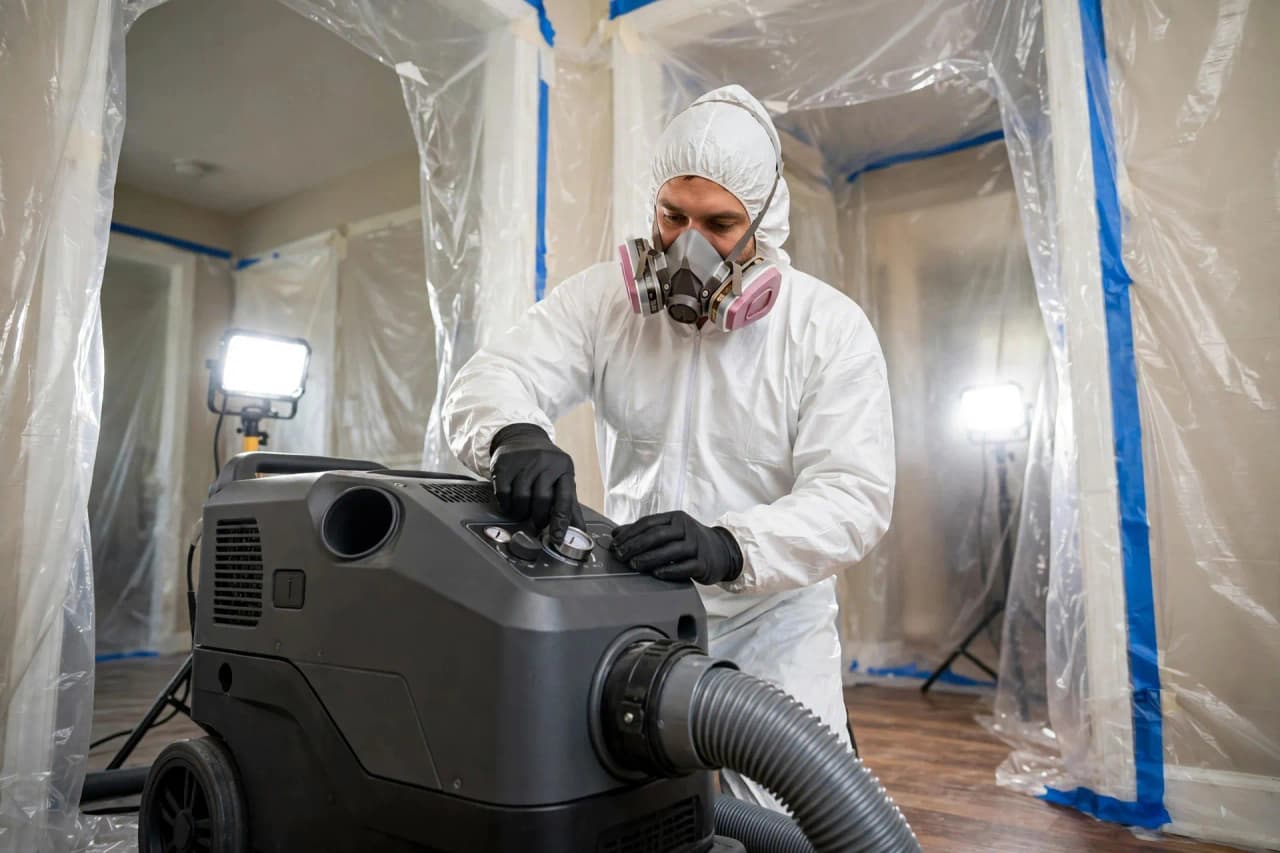
Let us walk through a standard mid-size job, say mold in a basement wall section with some drywall removal. Day one is setup and containment: the crew seals off the work area with plastic sheeting, establishes negative air pressure with HEPA-filtered air scrubbers, and protects the rest of your home. This takes a few hours and looks dramatic, which is the point. Containment is what keeps the rest of your house clean.
Days one and two are removal and cleaning. Contaminated drywall and insulation come out and get bagged for disposal. Framing and other salvageable surfaces get HEPA-vacuumed, scrubbed, and treated with antimicrobial solutions. This is the dusty, noisy phase, though good containment keeps the mess inside the work zone.
Then comes drying and verification, which people underestimate. After cleaning, the area needs to reach proper dryness levels, verified with moisture meters, before anyone closes walls back up. Some jobs need a day or two of dehumidification and air scrubbing here. Rushing this step is how mold comes back, so reputable crews do not skip it. Final clearance, sometimes including a visual or lab verification, closes out the remediation phase before rebuild begins.
What Makes a Job Take One Day vs. Two Weeks
Size and spread are the biggest factors. A single bathroom wall with surface growth and no structural involvement? Often a one-day job. Mold spanning multiple rooms, inside wall cavities across a basement, or throughout an attic? That is a multi-day project with real demolition and extended cleaning.
Accessibility is the silent timeline killer. Open basement walls are fast. Crawl spaces, tight attics, and mold behind built-in cabinetry slow everything down because every step, setup, removal, cleaning, takes longer in awkward spaces. A small job in a miserable location can outlast a bigger job in an open one.
Drying time is the variable homeowners never expect. If materials are saturated, if the water source was active until recently, or if humidity is high, the crew needs drying days built into the schedule. You cannot paint, close walls, or lay flooring over damp framing. Good contractors build this into the timeline upfront. Bad ones promise impossible speed and then either cut corners or blow the deadline.
The Hidden Phase: Rebuild and Restoration
Here is where timelines surprise people. Remediation, the mold removal itself, might take three days. But putting your home back together, new drywall, mudding, sanding, painting, trim, flooring, is a separate phase with its own schedule, and it often takes as long as or longer than the remediation.
Many remediation companies do not do rebuild work at all. They leave you with clean, open wall cavities and a referral to a general contractor. That handoff adds scheduling time, especially in busy seasons when every contractor in the Capital Region is booked out. Ask during the estimate who handles rebuild and what their current lead time looks like.
Some full-service companies handle both phases, which simplifies scheduling enormously. Either way, get the rebuild timeline in writing alongside the remediation timeline, so you are planning around the real finish date, not just the mold-free date. Your basement is not "done" when the mold is gone. It is done when the drywall is up and painted.
What Can Delay Your Project
The water source repair is the most common delay. If the plumber cannot come until next week, or the roofer needs to order materials, remediation may pause because there is no point cleaning mold while water is still coming in. Coordinating trades is genuinely one of the harder parts of these projects, and it is worth asking your remediation company whether they coordinate or leave that to you.
Hidden mold discoveries extend timelines too. Crews open a wall expecting a contained patch and find the colony traveled two stud bays further. This is normal, not a scam, and it is exactly why written scopes include language about additional affected areas. A good crew documents the discovery, explains the options, and gets your approval before proceeding.
Material and equipment lead times occasionally bite, especially for specialized items. Permit or insurance adjuster scheduling can add days on bigger claims. And in peak seasons, late spring through early fall, the best crews in Albany book out weeks ahead. If your job is not urgent, scheduling flexibility on your end can actually get you a better crew.
Living Through It: What to Expect Day to Day
For most jobs, daily life continues with minor adjustments. The work area is sealed off, air scrubbers hum in the background (they are noticeable but not deafening), and the crew typically works standard daytime hours. You will hear cutting, scraping, and vacuuming during demolition and cleaning phases. It is construction noise, not subtle, but it ends at quitting time.
Dust is the concern people overestimate and underestimate simultaneously. Overestimate, because proper containment with negative air pressure keeps the vast majority of dust inside the work zone. Underestimate, because no containment is perfect, and you will want to wipe down nearby surfaces when it is over. Reputable crews do a final HEPA cleaning of adjacent areas as part of the job.
If the job involves your only bathroom or your kitchen, plan around that specifically. A basement or attic job barely touches daily routines. A bathroom remediation means showering elsewhere for a few days. Ask the crew upfront which rooms and systems are affected and for how long, then plan like you would for any small renovation.
How Pros Keep Things Moving (and What Slows Them Down)
Efficient crews do a few things that separate them from the pack. They arrive with all equipment on day one instead of making supply runs. They sequence the work so drying happens in parallel with other tasks where possible. They communicate daily about progress and next steps. Boring stuff, but it is what keeps a three-day job at three days.
What slows jobs down is almost always on the planning side, not the labor side. Unclear scope that gets renegotiated mid-project. Homeowners who need to make rebuild decisions while walls are open and take a week to choose paint colors (no judgment, but decide early). Water source repairs scheduled after remediation instead of before. Each of these is preventable with a thorough upfront plan.
Our advice: nail down every decision you can before day one. Know who is doing rebuild. Know the water source fix is scheduled. Pick your finishes. The crews that finish on time are usually working from plans that were finished before they arrived.
Planning Your Schedule Around Remediation
For a typical one-to-three-day job, most homeowners do not need to take time off work. You need to be reachable by phone for questions, and someone should be available for the initial walkthrough and the final walkthrough, but you do not need to supervise. In fact, please do not hover in the work area. Containment exists for a reason.
For larger multi-week projects, think of it like a small renovation. Plan around noise during work hours, keep kids and pets clear of the work zone, and if bedrooms are affected, sort out sleeping arrangements in advance. If anyone in the household has respiratory sensitivities, discuss timing and containment details with the contractor beforehand.
Mold Removal Albany is a free referral service connecting you with independent, licensed local pros, and timeline questions are something to raise during the estimate visit. Ask directly: how many days for remediation, how many for rebuild, what could extend it, and how will I be updated. A contractor who answers clearly is a contractor who plans clearly, and that is who you want in your house.